 Email
Email Linkedin
 WhatsApp
 Language
News
Learn about our real-time dynamics



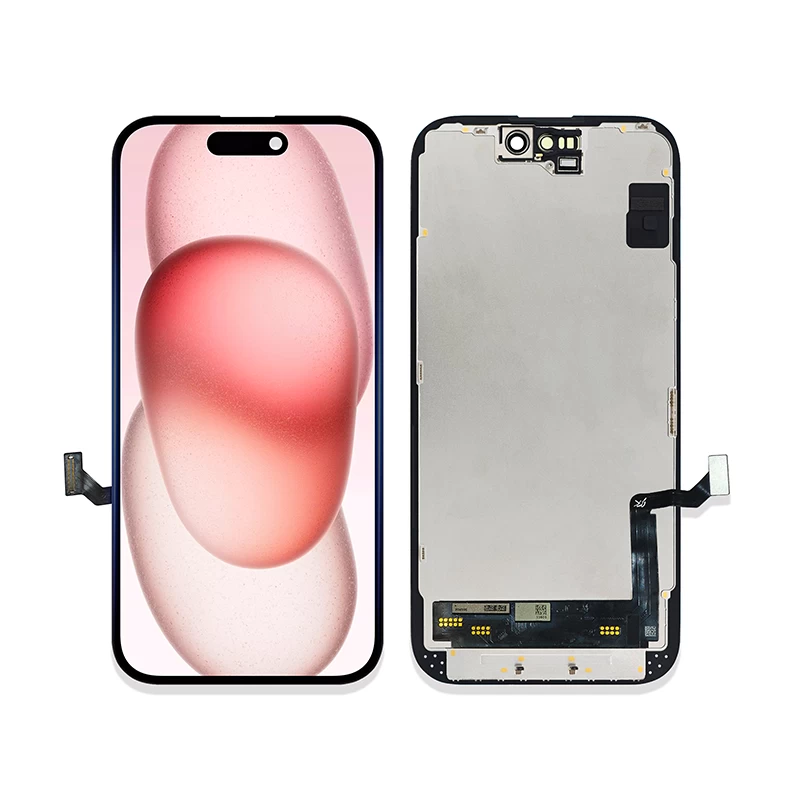
The smartphone aftermarket is evolving rapidly, with consumers demanding replacement screens that match the performance and durability of original displays. Soft OLED liquid crystal displays (LCDs) have emerged as a leading solution, combining flexibility, enhanced drop resistance, and improved touch accuracy. For repair shops and end-users alike, these advancements translate into longer-lasting, more reliable smartphone screens that elevate user experience.
Drop resistance is one of the most critical factors in smartphone display durability. Traditional rigid LCDs can crack or shatter upon impact, leading to costly repairs. Soft OLED displays, however, incorporate flexible substrates and layers that absorb and distribute impact energy:
Flexible Substrate Materials: Soft OLEDs utilize polymer-based backplanes that bend slightly under pressure, reducing stress concentration on the display.
Layered Design: The combination of flexible glass or plastic cover layers with OLED thin-film layers disperses impact energy more evenly, minimizing crack formation.
Shock Absorption: Advanced lamination techniques add cushioning between layers, further enhancing drop resilience without increasing display thickness.
Practical Benefit: Smartphones equipped with soft OLED replacements are more resistant to everyday drops and impacts, reducing repeat repair rates and improving overall device longevity.
Beyond durability, touch accuracy is a critical metric for replacement screens. Soft OLED LCDs provide high precision and responsiveness due to their structural and electronic properties:
Improved Sensor Integration: Flexible OLED layers allow closer alignment of touch sensors to the display surface, reducing signal delay and enhancing touch sensitivity.
Lower Capacitance Interference: Softer layers reduce electrical noise between layers, improving touch accuracy even during high-speed gestures or multi-touch operations.
Uniform Pressure Response: Flexible displays maintain consistent contact with the touch layer, ensuring precise input recognition under varying pressures.
Operational Advantage: End-users experience smoother interactions, from typing and swiping to gaming, with replacement screens that perform as accurately as factory-installed displays.
Soft OLED displays also mitigate long-term damage from everyday handling:
Resistance to Micro-Fractures: Rigid LCDs are prone to micro-cracks that expand over time, reducing display quality. Flexible OLEDs absorb minor stresses without permanent deformation.
Scratch and Abrasion Resistance: Advanced polymer coatings applied to soft OLED surfaces reduce susceptibility to scratches during regular use.
Longevity of Touch Layer: The reduced mechanical stress ensures that the capacitive touch layer maintains its functionality for a longer period, reducing maintenance frequency.
Benefit for Repair Market: Technicians can offer replacement screens that remain functional and visually intact for longer, enhancing customer satisfaction and reducing warranty claims.
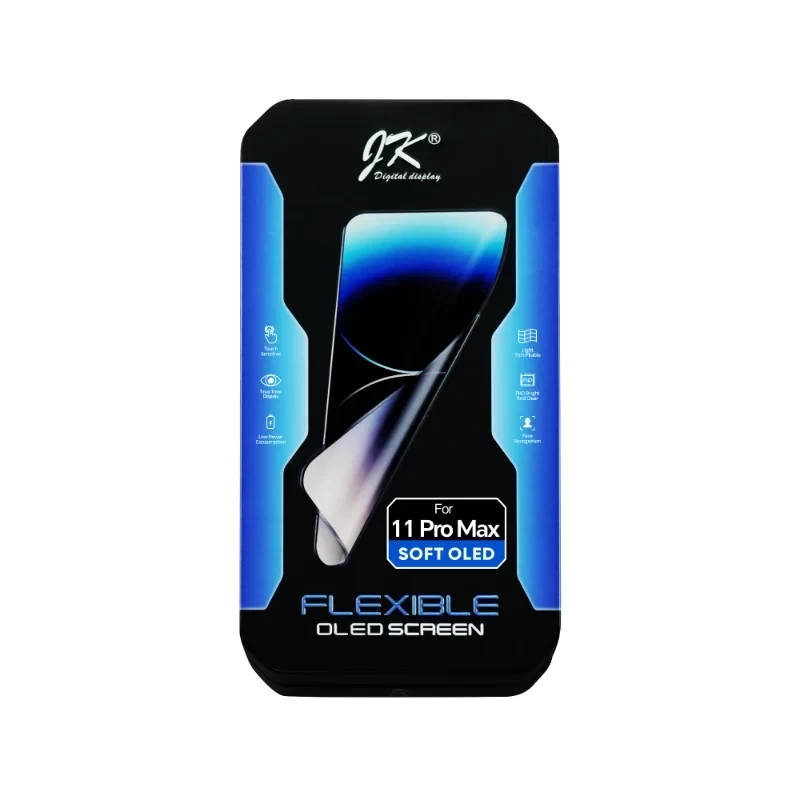
Soft OLED technology provides production and aftermarket benefits, particularly for companies like Kelai (JK brand):
Rapid Model Adaptation: Flexible OLED displays can be customized to fit a wide range of smartphone models without extensive retooling.
High-Precision Fabrication: Advanced CNC and lamination processes ensure uniform thickness, alignment, and consistent touch performance.
Global Aftermarket Compatibility: Screens are designed to meet repair shop requirements worldwide, covering 70%-80% of smartphone users with high-quality replacements.
Kelai Advantage: Leveraging in-house R&D, Kelai produces soft OLED modules that combine drop resistance, touch accuracy, and model adaptability, ensuring a reliable solution for professional repairs and end-users alike.
| Feature | Rigid LCD Replacement | Soft OLED Replacement |
|---|---|---|
| Drop Resistance | Moderate; prone to cracks | High; absorbs impact energy |
| Touch Accuracy | Adequate; signal delay possible | Excellent; low capacitance interference |
| Scratch Resistance | Standard glass coating | Enhanced polymer coating |
| Long-Term Durability | Susceptible to micro-fractures | Maintains integrity under stress |
| Model Adaptation | Limited; retooling required | Flexible; rapid customization possible |
Soft OLED displays offer tangible advantages for both consumers and repair professionals:
For Consumers: Reduced screen breakage, smoother touch experience, and longer-lasting displays improve overall smartphone usability.
For Repair Shops: Lower return rates, simplified inventory management, and compatibility with multiple models streamline operations.
Cost Efficiency: Fewer repeated repairs and higher-quality replacements optimize lifecycle costs.
Strategic Insight: By adopting soft OLED technology, repair shops can enhance their service offerings and boost customer trust, while consumers enjoy premium performance without factory replacement costs.
Soft OLED liquid crystal displays represent a significant leap in smartphone screen replacement technology. They improve drop resistance, touch accuracy, and long-term durability while providing manufacturing flexibility for global aftermarket demands.
At Kelai (JK brand), we specialize in developing high-quality OLED modules that are compatible with a wide range of smartphones. By integrating advanced materials, precision lamination, and rigorous quality control, Kelai ensures every replacement screen delivers performance, reliability, and value to both repair professionals and end-users.
Q1: How do soft OLED displays differ from rigid LCDs in drop resistance?
A1: Soft OLEDs use flexible substrates and layered designs to absorb impact energy, significantly reducing cracking and damage from drops.
Q2: Can soft OLED replacements match original touch accuracy?
A2: Yes, flexible integration and reduced capacitance interference allow soft OLED screens to achieve high touch precision comparable to factory screens.
Q3: Are soft OLED screens more expensive to produce?
A3: While slightly higher in production cost, the enhanced durability and reduced return rates offset expenses in the aftermarket repair context.
Q4: Do soft OLEDs support all smartphone models?
A4: Advanced production techniques allow Kelai to adapt soft OLED modules to cover 70%-80% of global smartphone users efficiently.
 Related News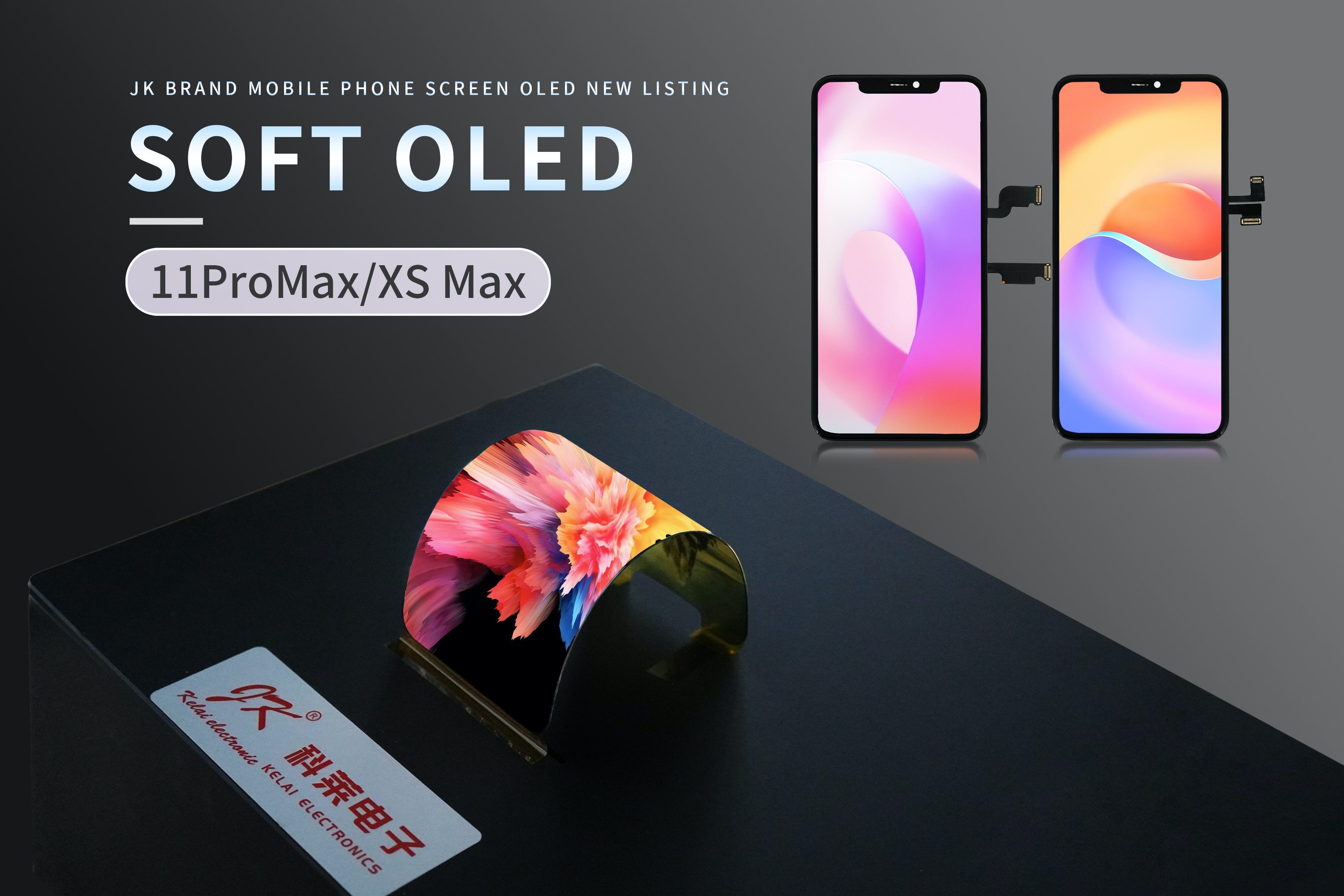

 Leave a Message