 Email
Email Linkedin
 WhatsApp
 Language
News
Learn about our real-time dynamics



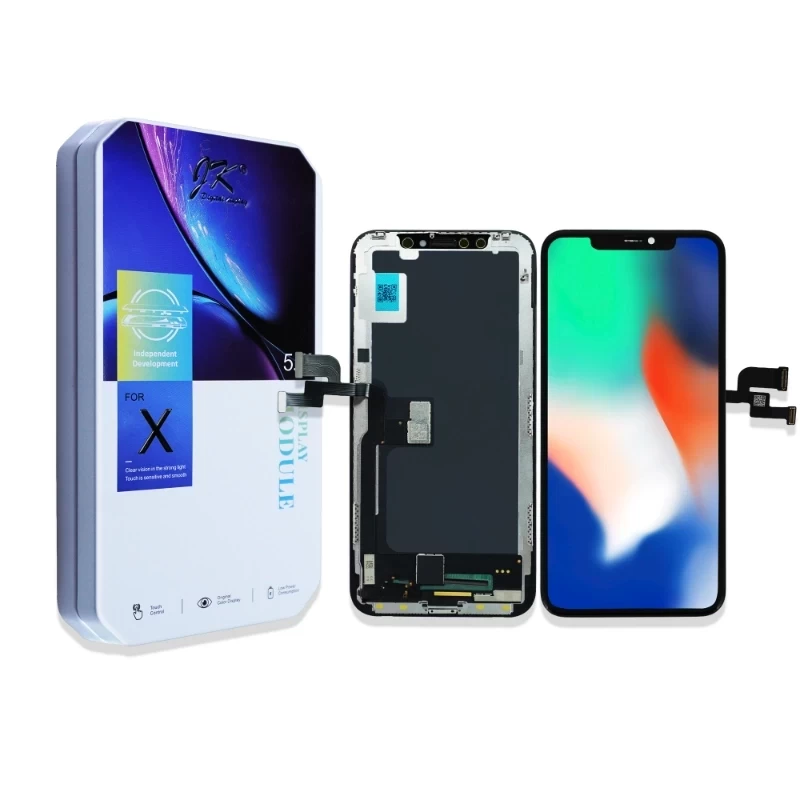
For professional repair shops, following effective OLED installation best practices is essential to minimize failure rates and ensure consistent repair quality. Kelai (JK brand), a leading manufacturer of smartphone display modules, specializes in the development and production of high-quality replacement screens. With strong R&D capabilities and wide market coverage, Kelai provides solutions that help repair shops quickly adapt to different brands and models, delivering reliable, precise, and efficient OLED installations to a global clientele.
A controlled repair environment is the foundation of successful OLED installation. Repair shops should maintain clean, dust-free, and static-free workstations. Static electricity and particulate matter can damage sensitive OLED components, potentially leading to early failures. Using anti-static mats, wrist straps, and proper lighting ensures safe handling and enhances installation precision.
Temperature and humidity control is equally critical. OLED screens are sensitive to environmental conditions, which can affect adhesion, color uniformity, and display performance. Maintaining optimal conditions during installation improves durability and reduces the risk of post-repair defects.
Careful disassembly of smartphones is vital to avoid damaging internal components. Technicians must remove damaged screens without stressing connectors, sensors, or the motherboard. Kelai emphasizes non-invasive handling techniques and provides guidance on device-specific precautions to minimize the risk of mechanical damage.
When handling replacement OLED modules, repair shops should avoid touching the display surface directly. Finger oils or debris can interfere with adhesive bonding and display quality. Using gloves or specialized handling tools preserves the integrity of the module and ensures successful installation.
Proper adhesive application is a key factor in long-lasting OLED performance. Repair shops should use high-quality, manufacturer-recommended adhesives, applied evenly to prevent air pockets or gaps. Accurate adhesive curing, whether UV or thermal, ensures strong bonding and minimizes the likelihood of screen lifting or uneven adhesion over time.
Precise screen alignment is also critical. Misaligned screens can stress connectors, reduce touch responsiveness, and affect overall device aesthetics. Kelai’s OLED replacement modules are engineered for exact fitment across major smartphone models, simplifying alignment and reducing installation errors.
One of the most frequent causes of OLED installation failure is improper handling of connectors and flex cables. Repair shops must ensure careful insertion, minimal bending, and secure engagement of connectors. Inspecting flex cables for damage and ensuring connectors are clean and free of debris helps avoid functional failures after installation.
Using proper torque when securing connectors prevents micro-fractures or disconnections during normal device use. Precision in this step significantly reduces failure rates and increases long-term reliability.
After installation, thorough testing is crucial. Repair shops should check touch response, color accuracy, brightness, and sensor functionality. Pre-calibrated modules from Kelai reduce the need for additional adjustments and ensure the OLED screen operates according to original specifications.
For advanced devices, calibration may involve aligning color profiles, refresh rates, or touch sensitivity. Proper testing identifies potential issues early, preventing customer complaints and enhancing overall satisfaction.
Maintaining high-quality tools is vital for precise OLED installation. Precision screwdrivers, suction handles, heating elements, and adhesive applicators should be regularly inspected and calibrated. Using worn or low-quality tools can lead to micro-damage, improper adhesive application, or installation errors.
Kelai supports repair shops by providing technical guidelines for safe and efficient module handling, ensuring consistent repair quality across all installations.
Even with high-quality modules, installation success depends on technician skill. Repair shops should implement regular training programs covering disassembly, adhesive application, connector management, and post-install testing.
Continuous learning, combined with manufacturer guidance from Kelai, enables technicians to adopt best practices for evolving smartphone models. Access to updated manuals, model-specific tips, and technical support ensures repair shops maintain high service quality while reducing failure rates.
Adopting comprehensive OLED installation best practices is essential for repair shops aiming to reduce failure rates and enhance customer satisfaction. By focusing on controlled environments, careful component handling, precise adhesive application, proper connector management, and rigorous testing, shops can achieve consistent repair results. Kelai (JK brand), as a global leader in smartphone display modules, provides high-quality replacement screens, technical support, and guidance for repair shops, empowering technicians to perform precise OLED installations efficiently. Integrating these practices with Kelai’s reliable modules allows repair shops to maintain a competitive edge while delivering superior service quality to end users worldwide.
Q1: How can repair shops reduce OLED installation failures?
A: Maintain a clean, static-free environment, handle components carefully, apply adhesives correctly, and perform thorough testing.
Q2: Why is connector handling critical in OLED repair?
A: Improper handling can cause micro-fractures or disconnections, leading to early screen failure.
Q3: Are pre-calibrated OLED modules helpful for repair shops?
A: Yes, pre-calibrated modules from Kelai ensure accurate color and touch performance, reducing post-install adjustments.
Q4: How does Kelai support repair shops?
A: Kelai offers high-quality OLED modules, technical guidance, updated manuals, and best practice recommendations for installation.
 Related News


 Leave a Message